Gold Rush
The Great Depression had been devastating. It had shaken the foundations of the world’s leading nations. By 1930, Canada had become the world’s second largest producer of gold and Ontario’s North was responsible for most of the output.
At that time, the founders of Theresa Gold Mines knew about the three very important Gold Rushes that had taken place in Canada: first in Beauce (Quebec), then Klondike (Yukon) followed by Porcupine (Ontario).
The Timmins area (Porcupine Gold Rush) is now one of the richest goldfields in the world, and over the past century has produced more gold than any mining camp in Canada. Today, the city of Timmins is northern Ontario’s third largest city and remains one of Canada’s major centres of mining. Timmins’“Big Three” gold mine are Hollinger, Dome and McIntyre.
-
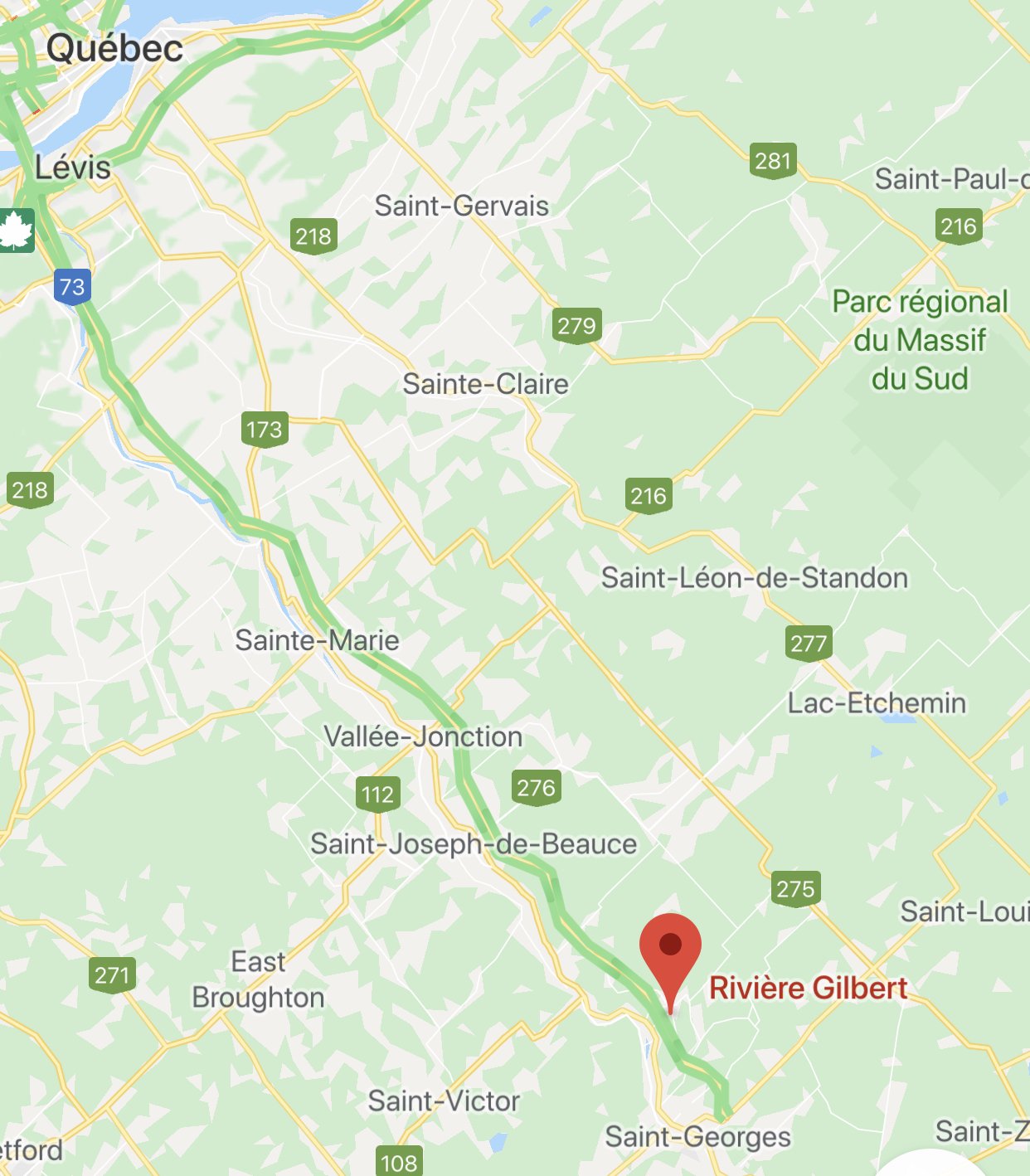
La Beauce
La Beauce In 1846, almost a hundred years before, somewhere in La Beauce: ” It’s Sunday, we need to go to the church. Go to the end of the…
-
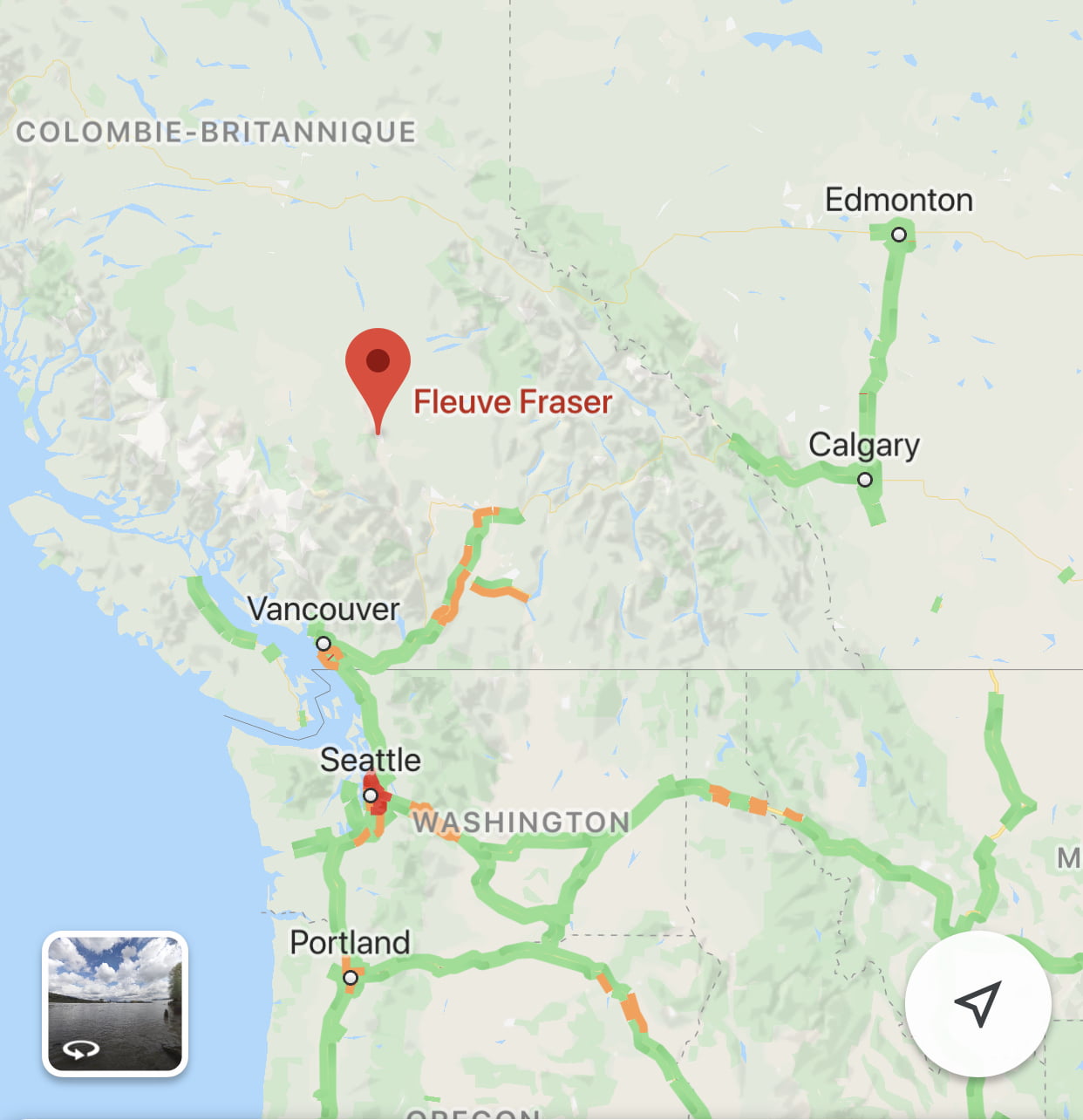
The Klondike
The Klondike The discovery of Klondike gold in 1896 began a stampede of more than 100,000 prospectors. Gold mining production in the Klondike peaked in 1903, after heavier equipment…
-
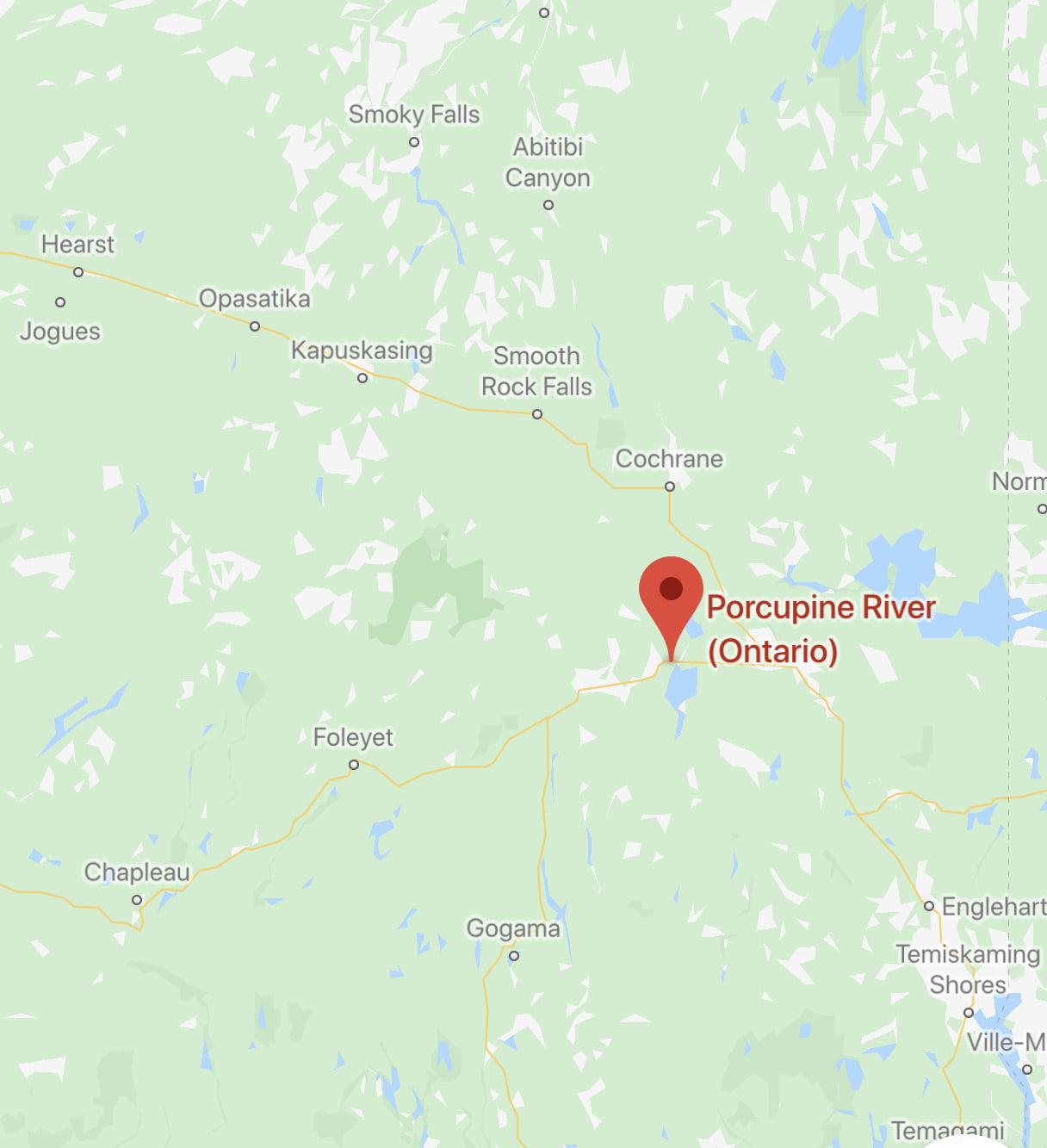
The Porcupine
The Porcupine Porcupine Gold Rush began during the summer of 1909 and turned the area around Porcupine Lake into a booming community. Two prospectors working in Northern Ontario…
-
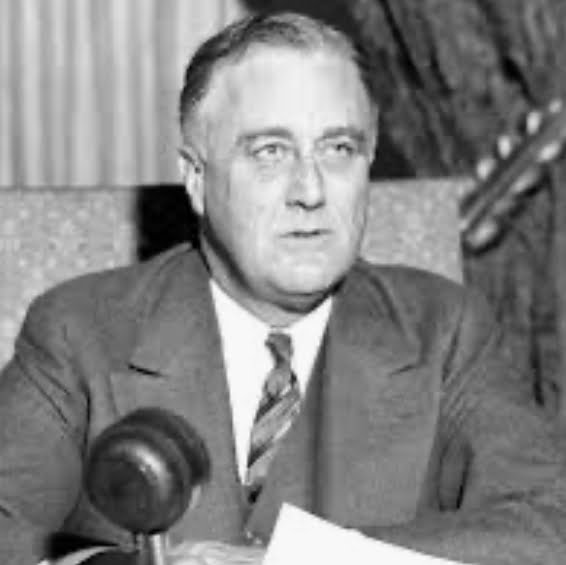
Context
Context In 1932, at the end of his mandate, Herbert Hoover 31st President of the United States, convenes for June of the following year sixty six Heads of State…